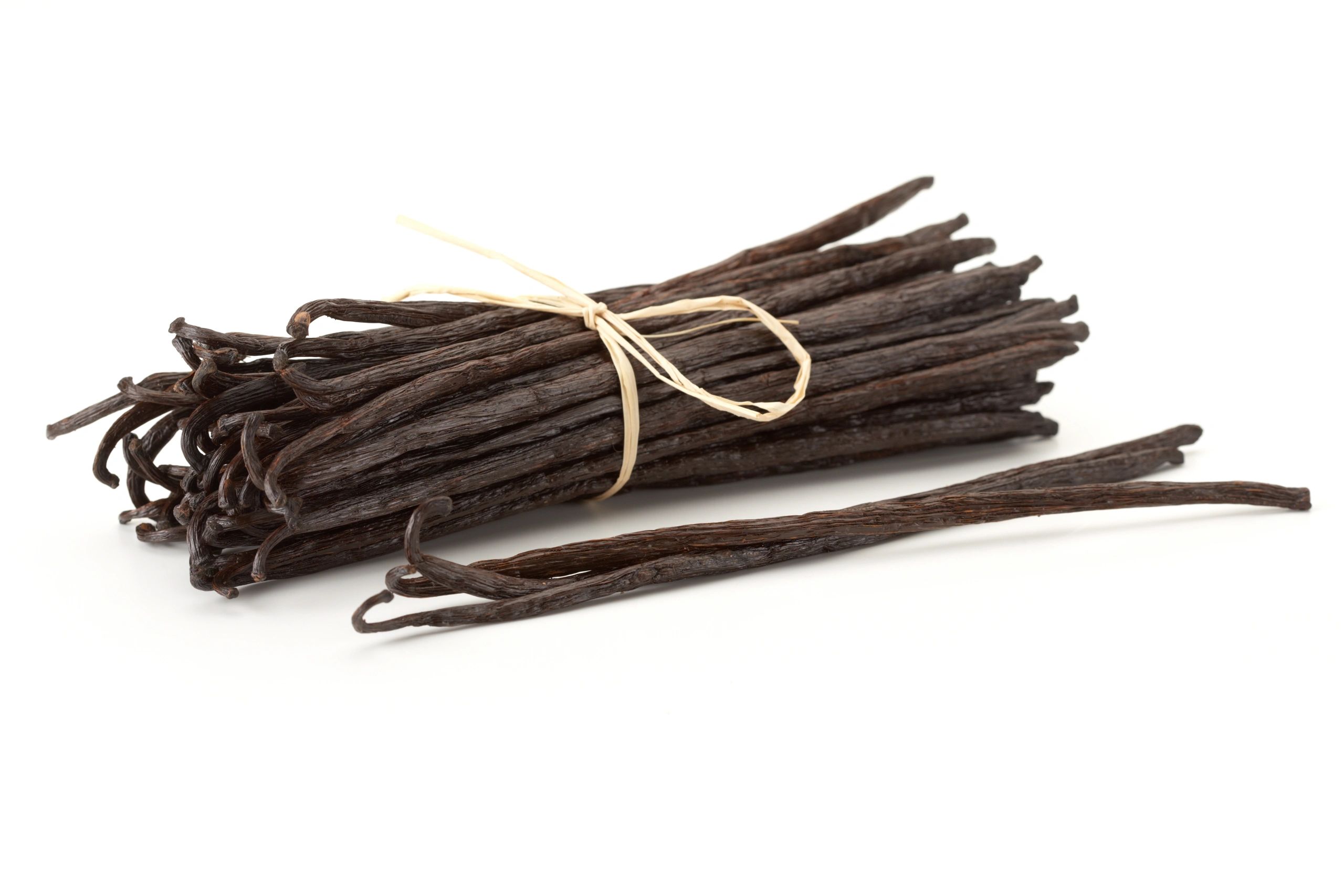
Vanilla for food professionals
Ugandan Vanilla for Gourmet and Industrial Applications
Reliable vanilla supply for food manufacturers, ingredient buyers, gourmet brands, and industrial processors.
Vanilla categories
Ugandan vanilla categories
Czech Global Trading s.r.o. supplies Ugandan vanilla across multiple commercial categories, from premium whole beans to industrial formats used in extract and ingredient manufacturing. Uganda is an increasingly relevant vanilla origin thanks to its strong aroma, attractive flavor potential, and reliable supply structure.
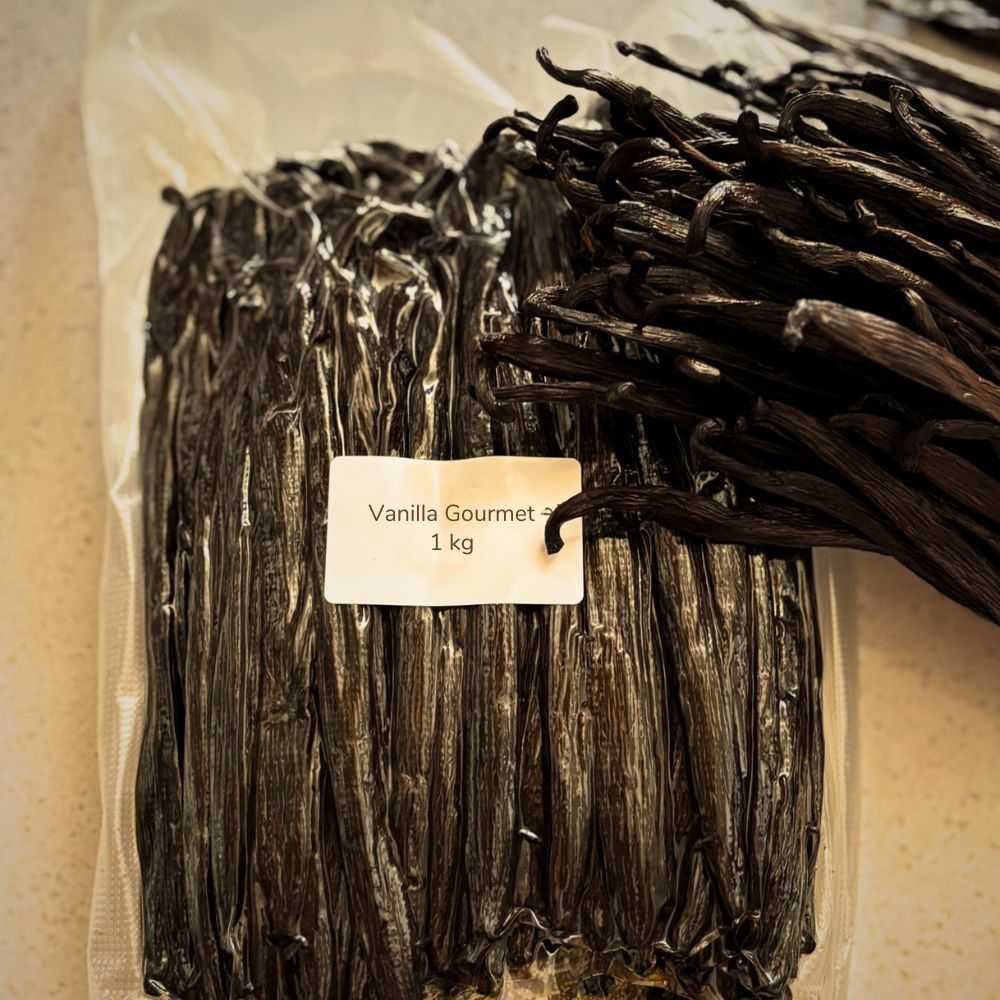
Gourmet Vanilla Beans
Premium cured beans for buyers who need strong aroma, visual quality, and premium whole-bean presentation.
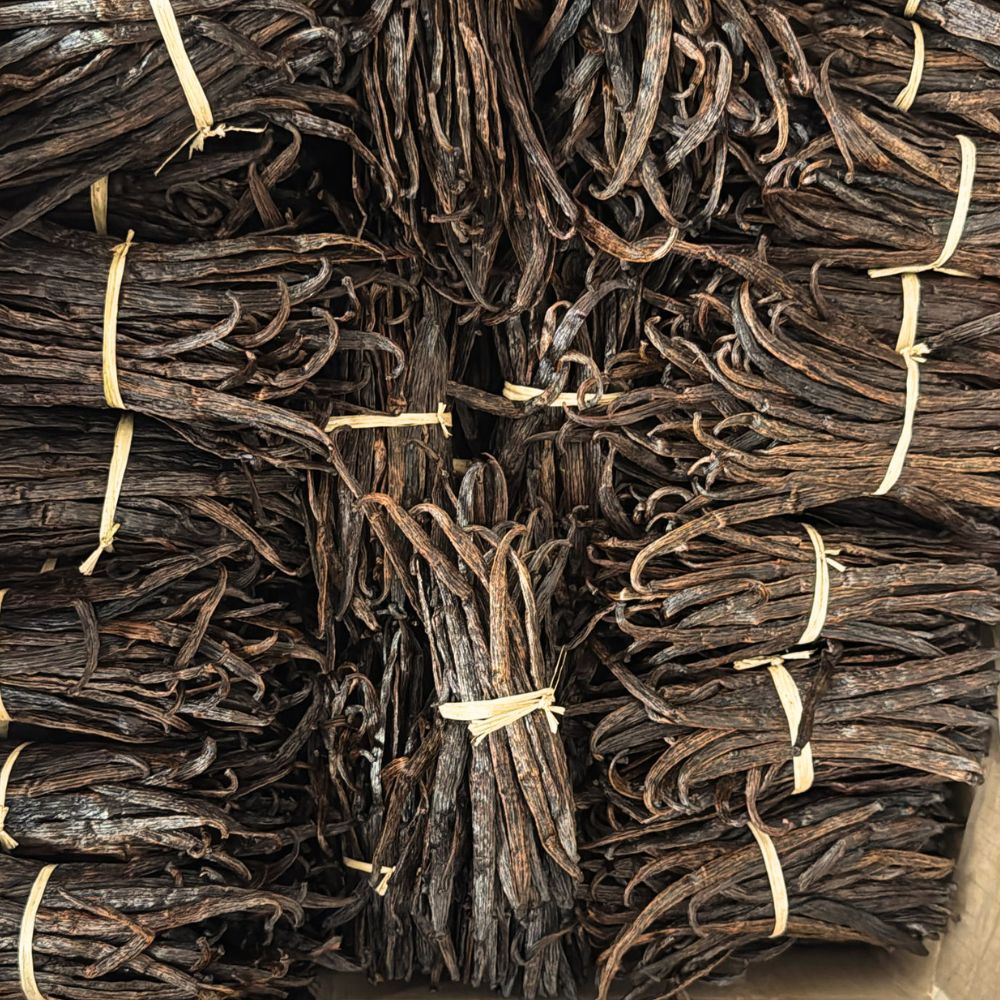
B Extract Quality
A practical grade for buyers focused on extraction, flavor manufacturing, and processing performance.
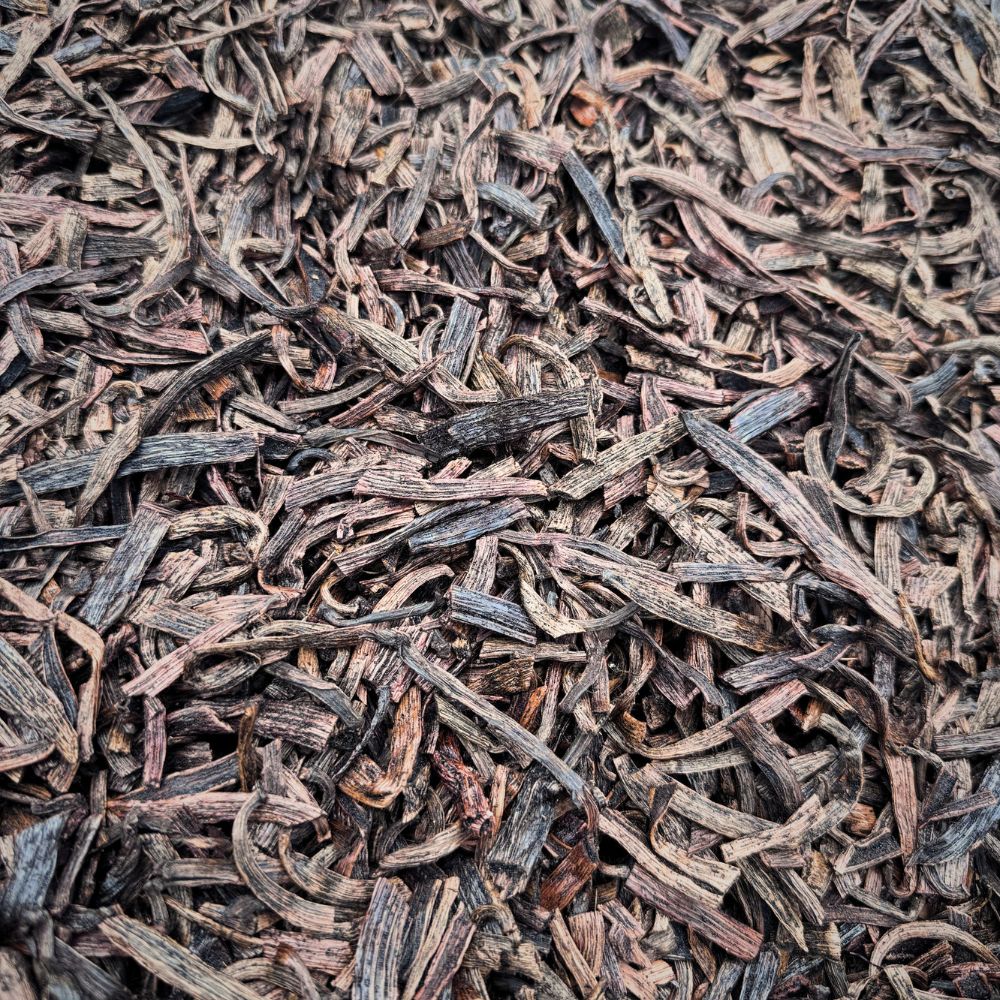
Vanilla Splits
Opened cured beans with strong vanilla character and lower cost, suitable for extraction and processing.
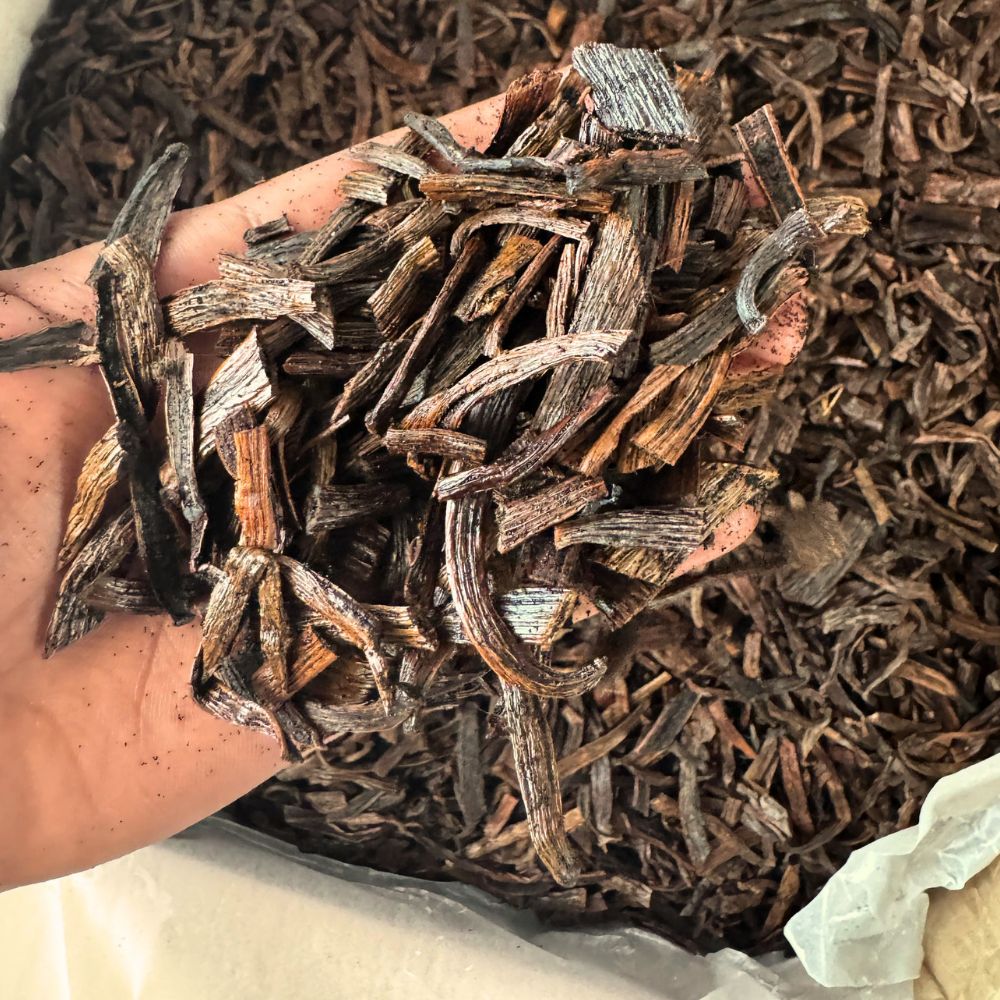
Vanilla Cuts
Short beans and cut vanilla pieces intended for industrial extraction and ingredient manufacturing.
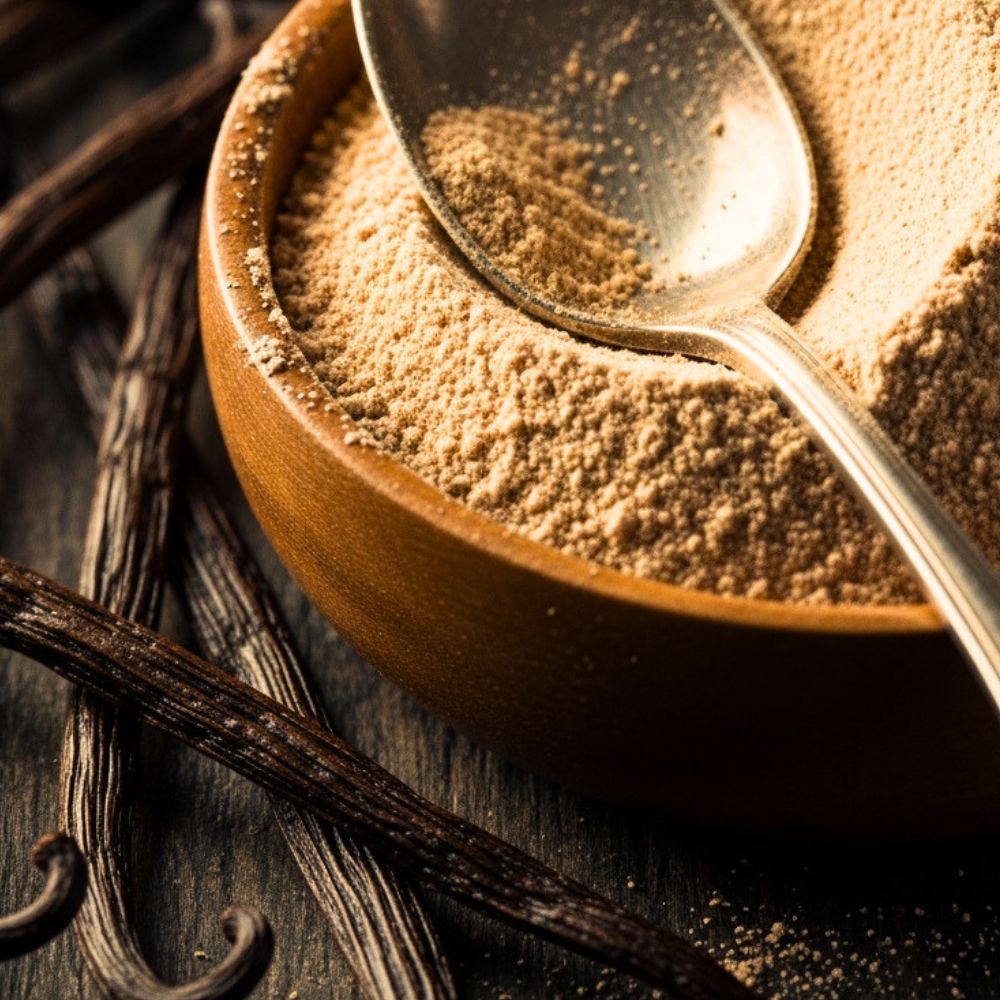
Vanilla Powder
A practical vanilla format for dry blending, easy dosing, and food manufacturing applications.
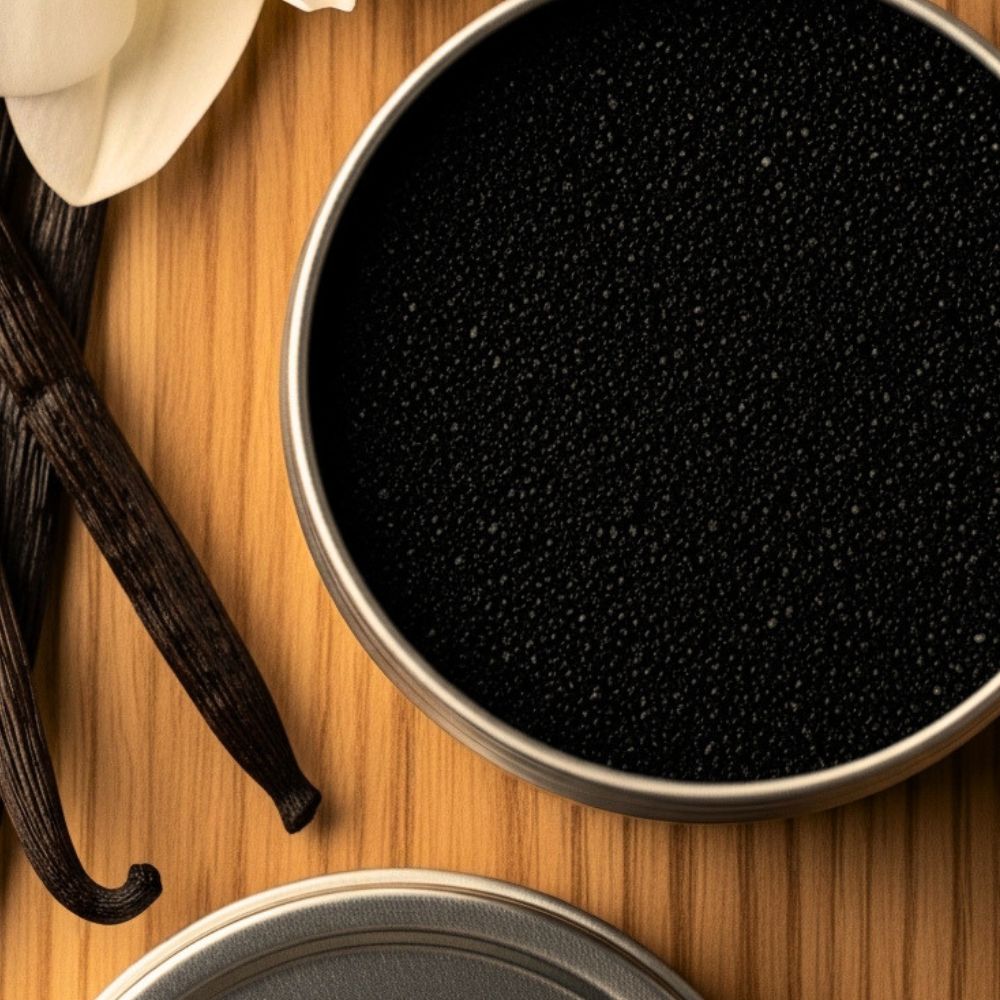
Vanilla Caviar
Separated vanilla seeds valued for premium visual effect and real vanilla identity in finished products.
Product Specification Table
| Category | Typical physical description | Length / pieces | Moisture % | Vanillin % | Flexibility / feel | Defects tolerated |
| Grade A / gourmet whole pods | Plump, shiny, oily, culinary focus | commonly ≥15 cm | ~25–38% | often buyer-expected ≥1.5–2% | flexible, fleshy | low tolerance |
| Grade B / extract whole pods | Drier pods for extraction | often shorter | ~15–25% (CBI: ~20%) | 2.0–2.5% | less supple | splits/cracks acceptable |
| Splits | Pods split during curing/drying | whole but split | same as base grade | 2.0–2.5% | same | split defect accepted |
| Cuts / chopped pods | Short beans + pieces, industrial | <12 cm + fragments; often 1–3 cm cut | common industrial target 15–20% | 1.0-2.0% common in “cuts” sheets | dry pieces | higher visual defect tolerance but must be mould-free and clean |
| Dried seeds / “caviar” | Thick, dark (almost black) paste with visible microscopic seeds. Texture is more gritty and dry than Malagasy caviar. Less “oily” sheen, more matte. | Derived from beans of 10–14 cm length (standard for Ugandan Grade B). Caviar yield: 12–15% of dry bean weight. | 18–22% (in dry form). Ugandan beans are dried more aggressively (to 15–18% in whole beans). This makes scraping harder but extends shelf life of the paste without preservatives. | 2.5–3.8% (on a dry-weight basis). The highest in the world. | Hard, brittle seeds. Pulp is less sticky, hardens faster when exposed to air. When scraping, it often crumbles rather than stretching in “strings” | Since this is a processed product, visual defects are not regulated (beans already sorted as Grade B). |
| Vanilla Powder | Fine to medium-ground dark brown to jet-black powder. Texture: Slightly gritty or “sandy” (due to lower oil content and higher fiber in Ugandan beans compared to creamy Madagascar TK). Aroma: Intensely smoky, phenolic, and sharp immediately upon opening (high concentration of volatile phenols). Flow: Free-flowing but can clump if exposed to humidity >60% (low natural oil means less natural lubrication). | – Mesh Size: Typically 60–100 mesh (0.15–0.25 mm particle size). – Source Material: Derived from beans 10–14 cm long (Grade B) or chopped pieces <2 cm (Cuts). | 2.0% – 4.0% (very low). – Ugandan beans are dried more aggressively before grinding to prevent mold during storage and to ensure a stable powder. – If >5%, the powder is considered “off-spec” and risks caking/mold. | 2.5% – 3.8% (on dry weight basis). – Highest in the world. Often 3.0%+ for “Premium Uganda” batches. – Significantly higher than Madagascar pure powder (1.8–2.5%). | Rigid, dry, non-oily. – When rubbed between fingers, it feels dry and powdery, not sticky or greasy (unlike Madagascar TK powder which leaves an oily film). | visual marker > flavour |