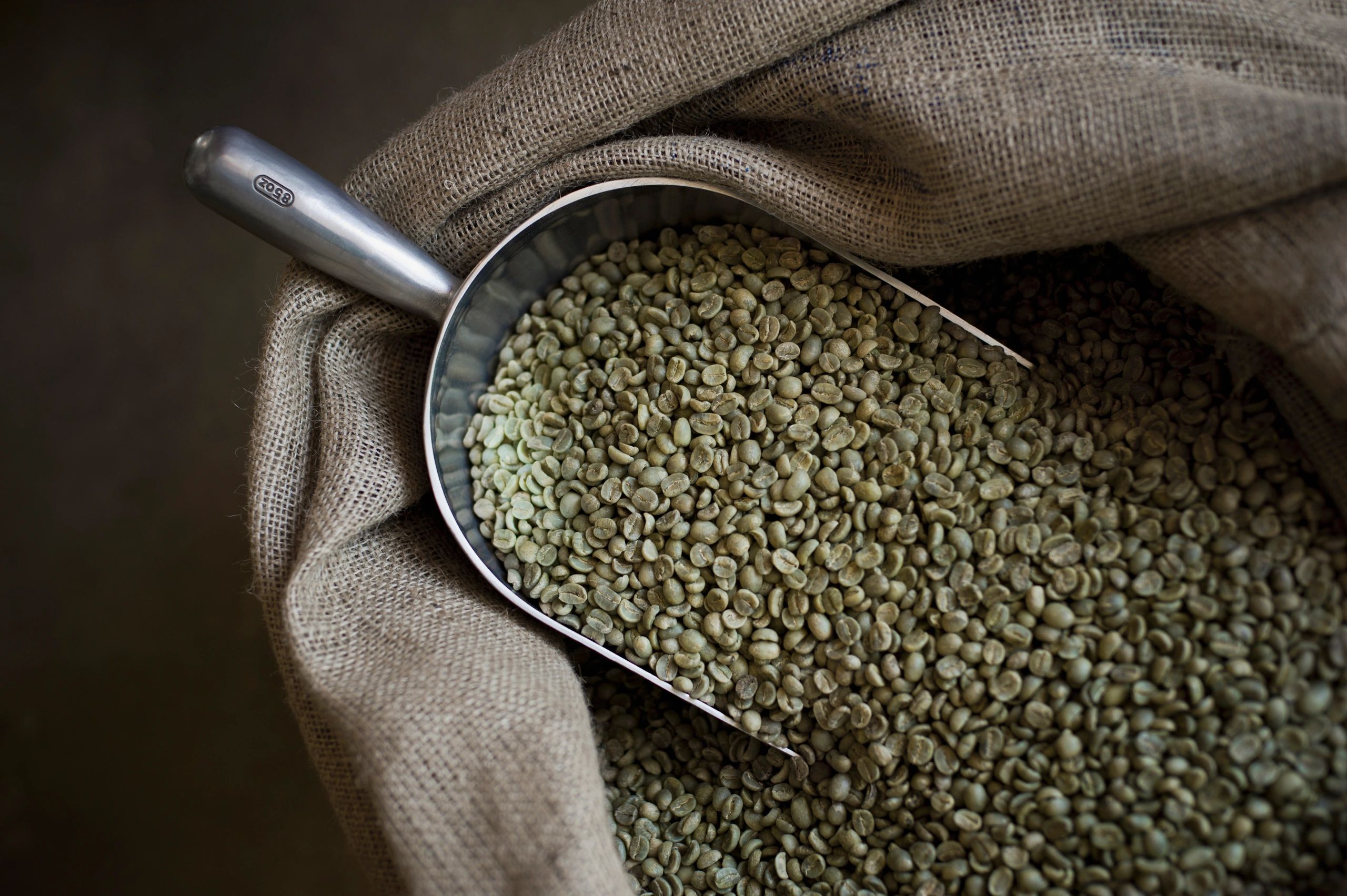
Green coffee supply for European buyers
Ugandan Robusta & Arabica Green Coffee
Reliable sourcing, clear specifications, and practical export terms for importers, roasters, and traders.
Coffee portfolio
Green Coffee Beans from Uganda Ideal
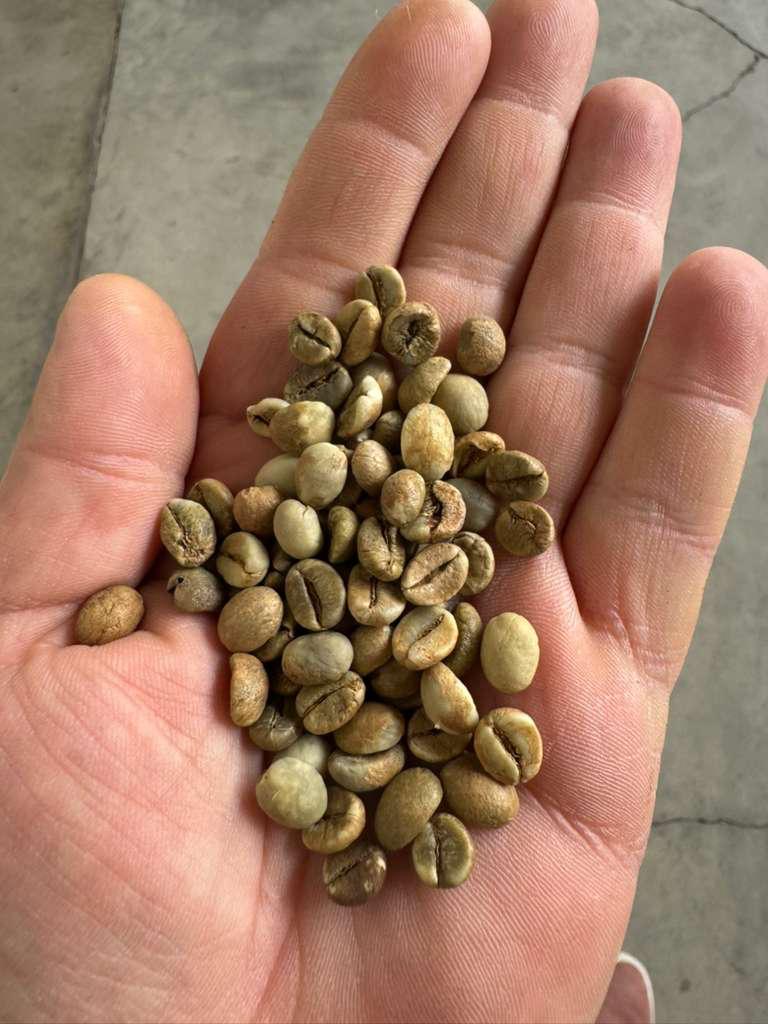
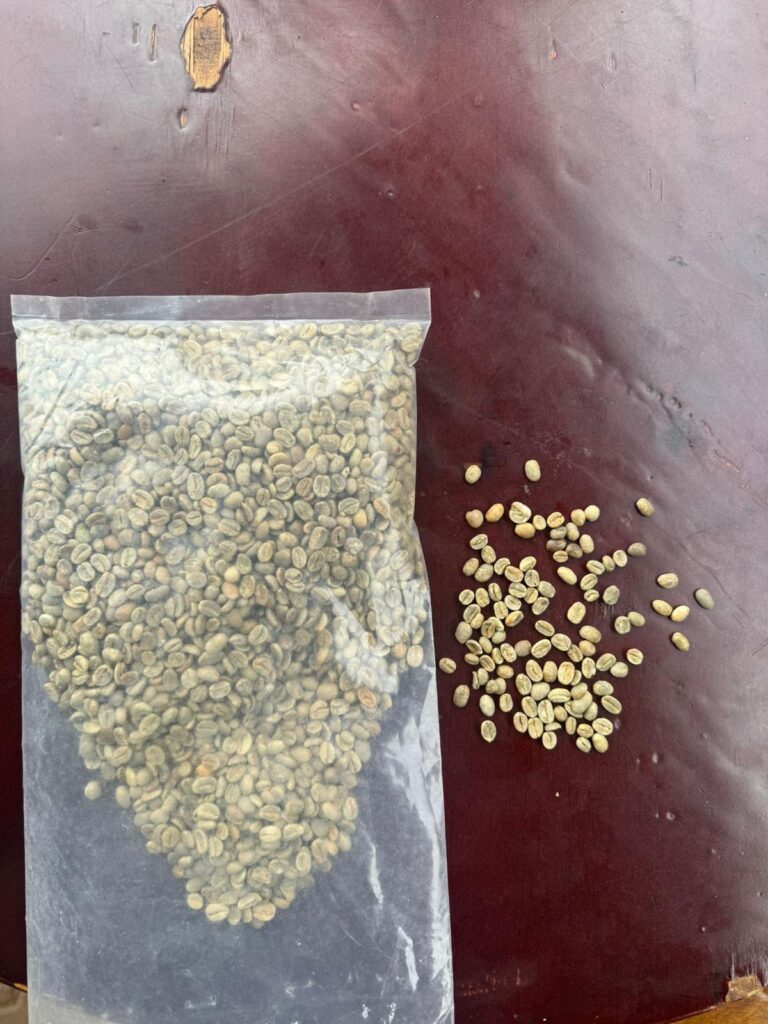
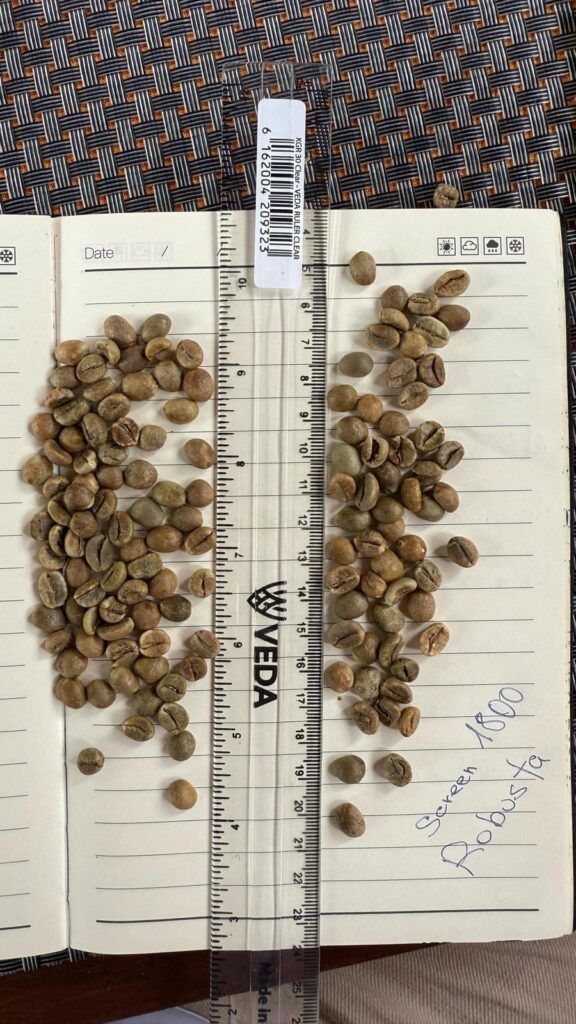
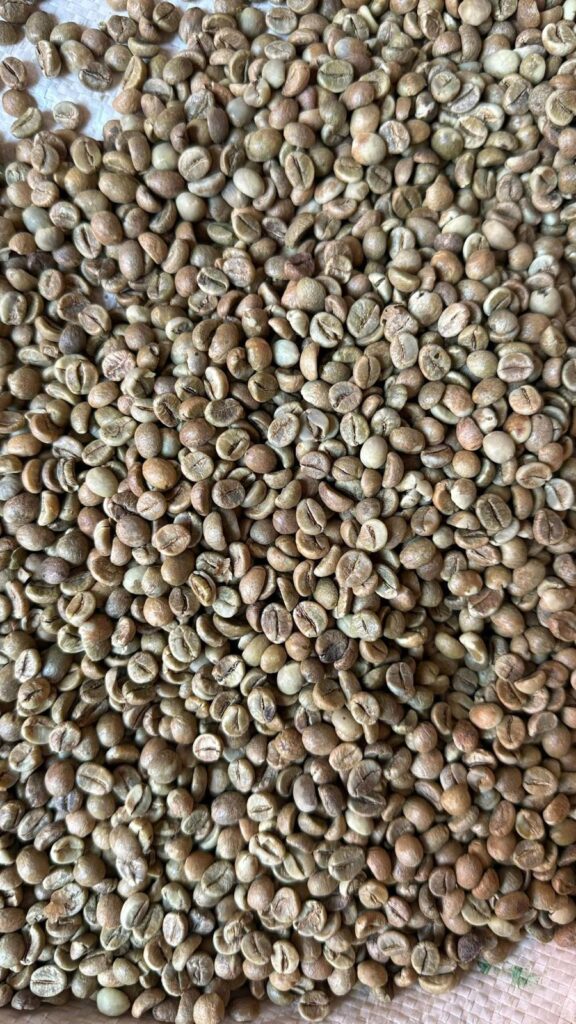
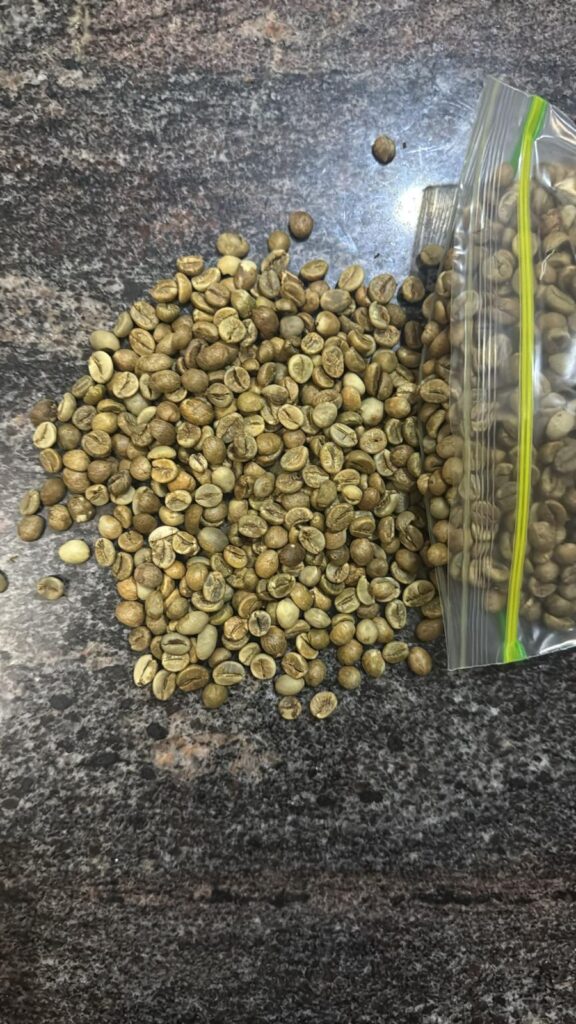
Uganda Robusta Screen 12 – Bulk Industrial Grade
Commercial Robusta (Industrial Grade) – high-volume, entry-level Robusta.
- Origin (Uganda): 100% Ugandan Robusta, sourced via Shaori SMC Ltd’s network (UCDA-licensed exporter). Grown in the lowland coffee belt – Central/Eastern and Northern Uganda (Lake Victoria Crescent, Central, and parts of West Nile). Main districts include Masaka, Mityana, Kamuli, Iganga, and North Nile areas.
- Altitude: ~900–1,200 m (mostly below 1,200 m). Robusta thrives in Uganda’s warm lowlands.
- Harvest: Main crop Nov–Feb (peak Jan); secondary fly-crop Apr–Jun. (Approximate, varies by year.)
- Processing: 100% natural (sun-dried) Robusta. Cherry dried on patios then hulled; beans mechanically cleaned. No washing.
- Specs: Screen size ≥12/64″ (mixed bean sizes). Moisture 12.0–13.5%. Defects tolerance up to ~15% (by UNBS standard). Typical foreign matter (stones/sticks) is kept minimal (<0.1%). Beans are small/mixed size.
- Cup Profile: Medium–heavy body; low acidity. Flavours: earthy, woody and strong cocoa/chocolate notes with mild spice. Short, dry finish. (Typical “stronger” robusta character.)
- Cupping Score: ~70–73 (SCA-equivalent). Industrial-grade robusta usually scores around low 70s due to mixed bean quality.
- Applications: Instant coffee, bulk roasting, low-cost espresso blends. Favoured by industrial buyers prioritizing volume over specialty flavour.
Screen-12 robusta primarily comes from Uganda’s Central and Eastern lowlands (e.g. Masaka, Kamuli districts). These zones yield high volumes of mixed-size Robusta.
Uganda Robusta Screen 15 – Commercial Grade
Standard Commercial Robusta – dependable mid-size beans.
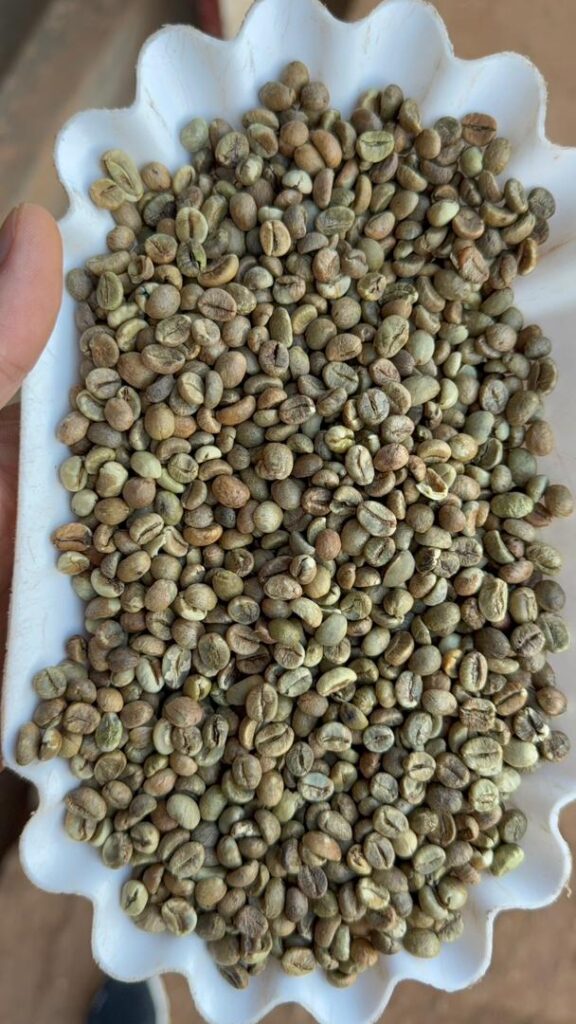
- Origin (Uganda): 100% Ugandan Robusta via Shaori. Sourced from Central Uganda (Lake Victoria basin) and West Nile/Western highlands – e.g. Mukono, Hoima, and Western (Fort Portal, Kyenjojo). Key robusta districts include Mukono, Masaka, Kyenjojo.
- Altitude: ~1,000–1,300 m (moderate elevation).
- Harvest: Main Nov–Feb (peak Dec); fly-crop May–Aug.
- Processing: Natural (patio-dried) Robusta, carefully screened.
- Specs: Screen size ≥15/64″ (medium beans). Moisture 12.0–13.0%. Defects ≤12% (UNBS max). Beans are fairly uniform. Extraneous matter minimal.
- Cup Profile: Full body; low acidity. Notes of dark chocolate, roasted nuts, cocoa with mild bitterness. Clean profile.
- Cupping Score: ~74–77. Higher quality and larger beans boost scores into mid-70s.
- Applications: Espresso blends, commercial roasting, soluble coffee. A workhorse grade for roasters (blends/instant) seeking consistent flavour and roast performance.
Screen-15 Robusta is widely grown around Lake Victoria and central Uganda. Its balance of size and price makes it Uganda’s most exported robusta grade.
Uganda Robusta Screen 18 – Premium Robusta Grade
Premium Large-Bean Robusta – high-void, uniform beans.
- Origin (Uganda): 100% Ugandan Robusta via Shaori. Sourced from higher-quality Robusta lots: Western and Central highland pockets (Rwenzori foothills, Bundibugyo/Kasese, Mubende). Districts: Kasese, Bundibugyo, Mubende, Kyenjojo.
- Altitude: ~1,100–1,400 m (some even higher).
- Harvest: Main Nov–Feb; fly Apr–Jun. (Premium lots often picked late in the main season.)
- Processing: Natural (sun-dried) Robusta, very carefully hand-sorted and screen-graded.
- Specs: Screen size ≥18/64″ (large, uniform beans). Moisture 11.5–12.5%. Defects ≤7% (UNBS), often ~1–3%. >92% retention on Screen 18. Very low foreign matter.
- Cup Profile: Very full body, creamy texture. Flavours: dark chocolate, roasted nuts, earthy spice, and clean tobacco notes. Balanced bitterness; long, smooth finish.
- Cupping Score: ~78–82. Premium robusta often nears low 80s in well-processed lots (higher quality filters).
- Applications: High-end espresso blends, capsules, specialty robusta products. Suitable for gourmet and commercial roasters needing uniformity.
Screen-18 beans are selected from Uganda’s best robusta estates (e.g. Kasese, Bundibugyo). They require long-term contracts due to high demand.
Uganda Arabica Drugar – Natural (Dry-Processed) Arabica
Highland Natural Arabica – classic dry-process Ugandan Arabica.
- Origin (Uganda): 100% Ugandan Arabica via Shaori. Western Rwenzori and Eastern Mt. Elgon regions (Kasese, Bundibugyo, Mbale, Kapchorwa). Districts include Kasese, Sironko, Kapchorwa.
- Altitude: ~1,500–2,100 m.
- Harvest: Main Oct–Jan (Mt. Elgon/West Nile); fly Apr–Jul. (Elgon’s peak is Dec–Jan; Rwenzori similarly Oct–Dec.)
- Processing: 100% natural (dry) – cherries sun-dried whole. Known as “Drugar” (Dry Uganda Arabica). Often dried on patios or raised beds.
- Specs: Moisture 11.5–12.5%. Defects ≤5–7%. Beans vary (AA to A+); minimal extraneous matter.
- Cup Profile: Medium body; medium acidity. Flavours: ripe berry, dried fruit (raisins, fig), honey sweetness and subtle cocoa. Gentle mouthfeel. Clean, fruit-forward finish.
- Cupping Score: ~80–84. Good dry-process Ugandan arabicas can reach low 80s (some specialty lots higher).
- Applications: Specialty blends, single-origin naturals (filter, cold brew). Offers complex fruit notes ideal for retail roasters and cafés.
Drugar is Uganda’s natural-process Arabica (unsorted by screen). Often from Rwenzori, it has historically been lower-grade, but improving processing yields 80+ scores.
Uganda Arabica Wugar – Fully Washed Arabica
Washed Highland Arabica – clean, bright Ugandan Arabica.
- Origin (Uganda): 100% Ugandan Arabica via Shaori. High-altitude washing stations: Mt. Elgon (Kapchorwa/Mbale), Rwenzori (Kasese/Bundibugyo), West Nile (Arua/Nebbi).
- Altitude: ~1,400–2,100 m.
- Harvest: Main Oct–Jan (Mt. Elgon); second Apr–Jul (fly crop).
- Processing: Fully washed (cherries pulped, fermented, washed, then dried). Termed “Wugar” (Washed Uganda Arabica). Dried on patios/raised beds.
- Specs: Moisture 10.5–12.0%. Defects ≤3–5%. Bean size typically AA–A+/AB. Cleaned of foreign matter to <0.1%.
- Cup Profile: Medium body; bright, clean acidity. Notes: citrus, floral, stone fruit and tea-like aromatics. Crisp, balanced finish with moderate sweetness.
- Cupping Score: ~82–86. Top washed lots (especially Bugisu) can reach mid-80s.
- Applications: Specialty single-origins and premium blends (filter, specialty espresso). Its clarity and aroma suit discerning European roasters.
Wugar is washed coffee excluding Bugisu (general highland). Often from Elgon and newer West Nile stations, yielding higher consistency than naturals.
Uganda Arabica Bugisu – Washed Mt. Elgon Arabica
Bugisu (Mt. Elgon) Washed Arabica – flagship Ugandan Arabica.
- Origin (Uganda): 100% Ugandan Arabica via Shaori. Strictly from the Bugisu sub-region of Mt. Elgon (eastern Uganda: Mbale, Kapchorwa, Sironko).
- Altitude: ~1,500–2,300 m.
- Harvest: Main Oct–Jan (peak in Dec); minor fly-crop May–Jul.
- Processing: Primarily fully washed (pulp-ferment-wash-dry). Traditional Bugisu producers also offer some natural or honey, but our standard is washed.
- Specs: Moisture 10.0–11.5%. Defects ≤3–5%. High grade (AA/AB) with >80% above 17/18 screen. Very low extraneous matter.
- Cup Profile: Medium–full body; bright, complex acidity. Renowned for winey-fruity, raisin/fig, dark cherry, and citrus notes. Long, sweet finish; silky mouthfeel.
- Cupping Score: ~84–88. Bugisu is Uganda’s top arabica, often scoring 85+ when well processed.
- Applications: Specialty coffee (single origin, premium blends). Excellent as single-origin filter or nuanced espresso with floral-citrus highlights.
Bugisu is a recognized appellation of washed Mt. Elgon Arabica. It is prized in Europe for its refined floral-fruity profile and high acidity (akin to East African highs).
Packaging & Logistics
- Packaging: Standard 60 kg jute bags (≈19–20 MT per 20ft container). GrainPro or hermetic liners available on request for freshness.
- Container Loads: 20ft (~330 bags ≈19.8 MT)
- Incoterms: FCA Kampala (Uganda) or FOB Mombasa (Kenya) available. CFR/CIF door-to-door upon request.
- Transit Times: ~35–45 days to Northern/Central Europe; ~40–60 days to CIS/Black Sea via Turkey port. (Uganda is landlocked; Mombasa or Dar es Salaam port used.)
- Documentation: Full export docs supplied: Commercial Invoice, Packing List, Certificate of Origin, Phytosanitary Certificate, Quality Certificate.
Quality Assurance & Options
- Sampling: Pre-shipment samples (500 g–5 kg) available. We recommend sample approval for each lot.
- Third-Party QC: Inspection (SGS/Intertek) at origin or loading can be arranged.
- Lab Analysis: Internal QC lab tests moisture, defects, etc. Detailed lab reports on request.
- Traceability: Direct chain-of-custody (farm ⇒ mill ⇒ Shaori SMC Ltd). We can track lots to village level if needed.
How we work
A straightforward process — from inquiry to delivery
Inquiry
Send us your required product, volume, and destination.
Offer
We respond with availability, pricing, and trade terms.
Delivery coordination
Once confirmed, we arrange documentation and shipment planning.
Coffee sourcing FAQ
Common questions from roasters, traders, and import buyers. For a tailored offer, share your product specs, volume, and destination.
What information do you need to quote a lot?
We usually need the product, required volume, destination, preferred Incoterms, shipment timing, and key product specifications.
Do you supply both Robusta and Arabica?
Yes. We supply both Robusta and Arabica, subject to availability and required quality specifications.
Can you provide samples and documentation?
Yes. Samples and standard export documentation can be arranged depending on the lot.
What are typical lead times to Europe?
Lead times depend on product availability, origin, shipping route, and destination. Shipment timing is confirmed based on the selected lot, agreed trade terms, and final delivery port.