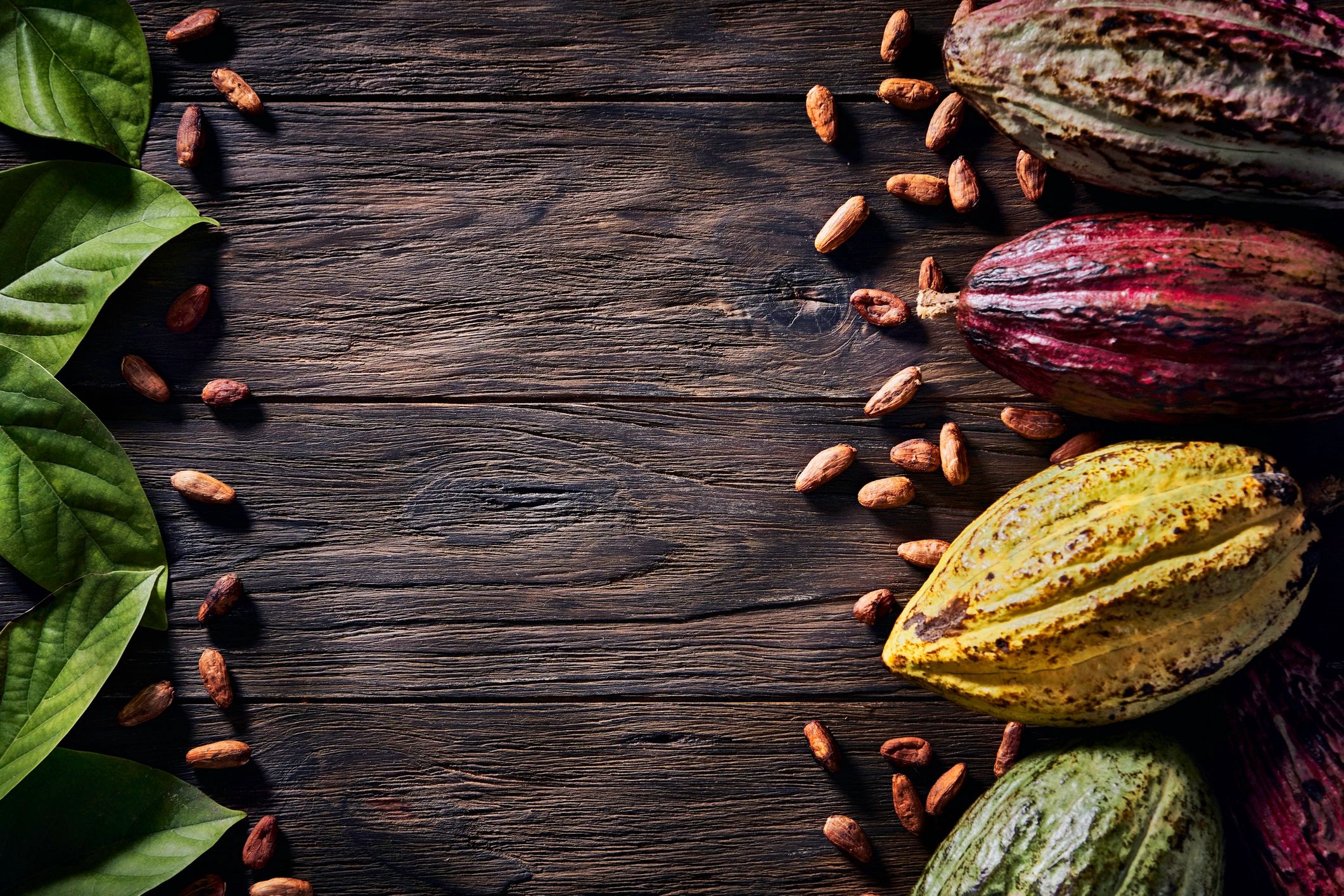
Bulk cocoa beans supply for European buyers
Bulk Cocoa Beans for European Buyers
Czech Global Trading supplies cocoa beans for manufacturers and ingredient buyers across Europe. Request an offer based on volume, destination, and schedule.
Cocoa portfolio
Cocoa beans for industrial, wholesale, and specialty use
Czech Global Trading supplies export-grade cocoa beans from Uganda and the Republic of Congo for manufacturers, distributors, and ingredient buyers. Our cocoa offering is structured for commercial use, with options for bulk volumes, destination-based quotations, and standard export documentation.
We work with selected supply partners and cooperatives to provide cocoa suitable for chocolate production, cocoa powder, butter, liquor, and confectionery applications.
Available cocoa origins
We offer cocoa beans from two African origins with distinct flavour profiles, logistics routes, and commercial advantages.
Uganda Cocoa Beans
High-altitude cocoa beans from Uganda’s main producing regions, including Bundibugyo, Hoima, and other key producing areas. Suitable for premium chocolate, cocoa powder, and butter production.
Republic of Congo Cocoa Beans
Forest-grown cocoa beans from the Republic of Congo’s Sangha region, including areas such as Pokola and Kabo. Suitable for bulk chocolate, cocoa powder, butter, and confectionery applications.
Commercial details
We offer export-grade cocoa beans with origin-based specifications, standard shipment formats, and supporting documentation for international trade.
- Typical lot sizes: 10–20 MT for Congo, 10–25 MT for Uganda
- Packaging: 60–70 kg jute sacks or agreed bulk shipment format
- Export routes: Pointe-Noire for Congo; Mombasa or Dar es Salaam for Uganda
- Standard documents: commercial invoice, packing list, certificate of origin, phytosanitary certificate
- Shipment structure can be discussed based on destination and required volume
Quality and processing
Our cocoa beans are fermented and sun-dried to meet commercial export expectations and processing requirements.
- Fermented and sun-dried before export
- Typical export moisture target: 6–7% for Uganda, below 7.5% for Congo
- Well-fermented lots preferred for consistent chocolate performance
- Low defect tolerance under standard grading practices
- Suitable for chocolate, cocoa powder, butter, and liquor production
Applications
Our cocoa beans are suitable for a wide range of industrial and specialty uses.
- Chocolate manufacturing
- Cocoa liquor production
- Cocoa powder processing
- Cocoa butter extraction
- Confectionery and bakery applications
- Blend programs and origin-based chocolate products
Origin comparison
Uganda and the Republic of Congo offer different flavour profiles, growing conditions, and logistics advantages depending on buyer requirements.
Uganda
- High-altitude origin
- Fruity, floral, smooth chocolate notes
- Strong traceability and certification potential
- Main crop: March to June
- Export via Mombasa or Dar es Salaam
Republic of Congo
- Lowland rainforest origin
- Robust, earthy, nutty chocolate notes
- Emerging supply with strong origin story
- Main crop: April to July
- Export via Pointe-Noire
Why choose these origins
Uganda
Uganda appeals to buyers looking for aromatic cocoa with high-altitude growing conditions, traceability potential, and strong suitability for premium chocolate, powder, and butter applications.
Republic of Congo
The Republic of Congo offers an emerging rainforest origin with a robust chocolate profile, commercial bulk potential, and a distinctive sourcing story linked to forest communities and smallholder production.
Harvest seasons
Both origins have two main harvest windows, supporting broader annual availability and shipment planning.
- Uganda: Main crop March to June; mid crop September to December
- Republic of Congo: Main crop April to July; mid crop October to December
Packaging and logistics
Our cocoa supply can be structured around export-ready packaging and commercial shipment planning.
- Packed in 60–70 kg jute sacks
- Bulk shipment options may be available depending on origin and lot size
- Containerized export lots supported
- Destination-based shipment planning available
- Export routes depend on origin and buyer destination
Documentation
Standard export documentation is available to support customs, compliance, and shipment clearance.
- Commercial invoice
- Packing list
- Certificate of origin
- Phytosanitary certificate
- Additional certification options may be discussed depending on supplier lot
Certifications and traceability
Traceability and certification availability depend on origin, supplier structure, and lot selection.
- Uganda: strong cooperative sourcing and certification potential
- Organic, Fairtrade, or other voluntary schemes may be available on selected Ugandan lots
- Congo: phytosanitary certification standard; traceability may be provided by region or cooperative level
- Certification availability should be confirmed at quotation stage
Important product note
Cocoa beans are natural agricultural products. Moisture, bean size, acidity, and flavour may vary slightly by season, lot, and origin. Final quality remains subject to inspection, grading, and standard commercial tolerances.
What cocoa buyers look for
A sourcing partner built for procurement
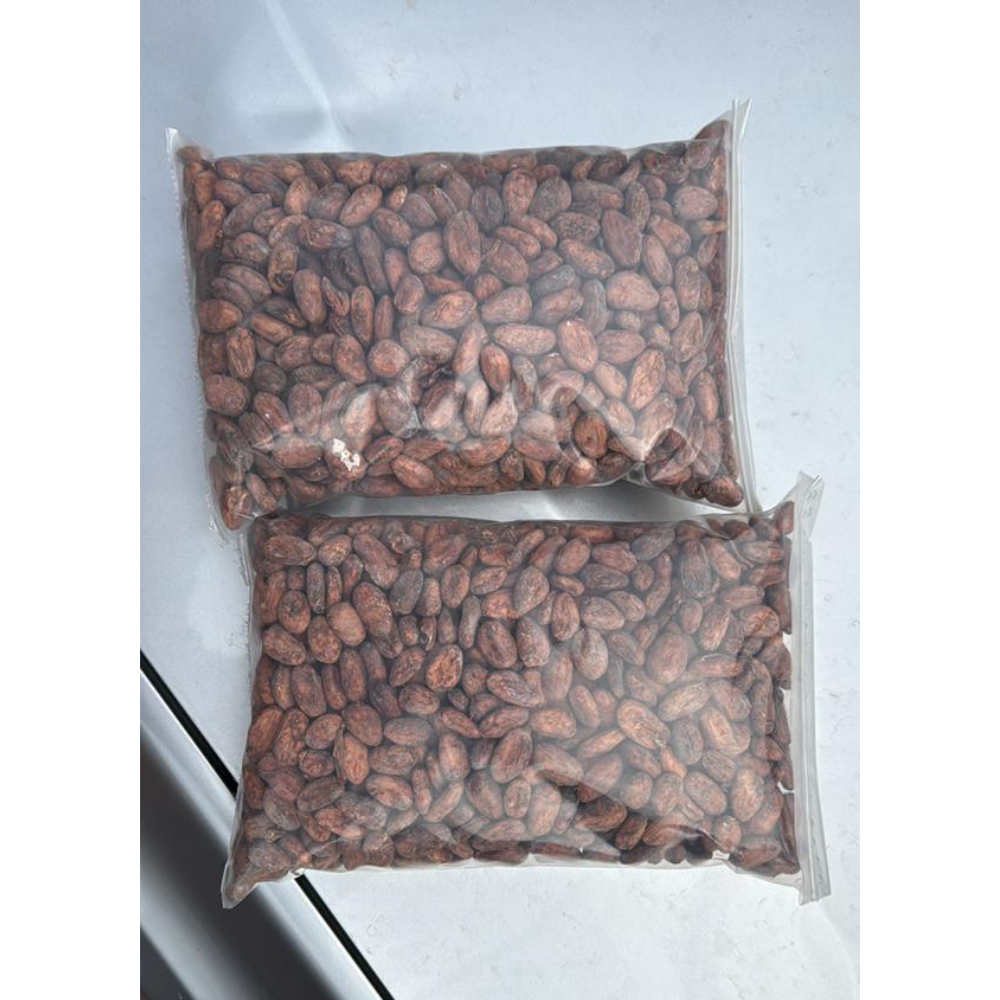
Congo (Republic) – Cocoa cultivation is emerging in the Sangha region, notably around Pokola and Kabo, under rainforest conditions. Smallholders, with typical farms of 5–8 hectares, grow mostly Forastero and Trinitario varieties. Beans are fermented and sun-dried, while exporters pack them in jute sacks or bulk 25-ton containers. Expect robust, full-bodied chocolate notes with earthy undertones. Seasonality is bimodal, with the main crop in April–July and the mid-season crop in October–December. Standard export lots are 10–20 MT in 60–70 kg sacks, shipped via Pointe-Noire (Atlantic port) or by river transport to Matadi. Phytosanitary certification and quality grading apply, with moisture below 7.5%. Some plantations also focus on sustainability through agroforestry projects. Key selling points include a rare origin with growing supply, support for forest communities, and suitability for both bulk and specialty chocolate. Disclaimer: Beans are natural agricultural products, so moisture and flavour may vary by season, and quality remains subject to inspection and standard commercial tolerances.
Uganda – Uganda’s cocoa comes mainly from Bundibugyo in the Western Region, which supplies about 70% of output, as well as from Central and Eastern districts such as Mukono, Iganga, and Hoima. Farms are predominantly smallholder, averaging about 2–3 acres each. The equatorial highland climate, with altitudes of 1,200–1,500 m and annual rainfall of 1,000–1,500 mm, is highly suitable for cocoa cultivation. Two harvests occur annually, with the main crop in March–June and the mid crop in September–December. Beans are fermented for 4–7 days and dried, with typical specifications of 6–7% moisture and around 50–53% fat. Ugandan beans are known for their aromatic, refined chocolate flavour and are well suited for high-quality chocolate, cocoa powder, and butter production. Exports via Mombasa or Dar es Salaam are packed in jute sacks, typically in 10–25 MT lots, and are supplied with Ugandan phytosanitary certificates and traceability. Many farms also hold organic or Fairtrade certifications, with around 10,000 certified farmers. Key selling points include consistent supply from cooperatives, high-altitude terroir, and rising specialty demand. Disclaimer: As a natural crop, bean attributes such as acidity and nib size may vary, and quality claims remain subject to standard grading and testing.
Republic of Congo Cocoa Beans
Sustainable, forest-grown cocoa beans from the Sangha region. These Congo-origin beans deliver robust, earthy chocolate notes and meet export-grade standards. Packed in bulk or jute bags, they are suitable for bulk chocolate and confectionery use, with moisture below 7.5% and phytosanitary certification.
Origin & Growing Regions
Northern Congo, including the Sangha region around Pokola and Kabo. These equatorial rainforest zones lie near the Cameroonian border at approximately 200–400 m altitude.
Farming
Predominantly smallholder plantations, typically 5–8 hectares each. Farmers often interplant cocoa with bananas and fruit trees for shade.
Varieties
Forastero, Trinitario, and some Criollo.
Harvest Periods
Main harvest: April–July
Mid-season harvest: October–December
Agronomic Conditions
Equatorial rainforest climate with high humidity, temperatures around 22–30°C, and annual rainfall of approximately 1,500–2,000 mm. Generally lowland terrain with well-drained forest soils.
Quality Characteristics
Typical export moisture below 7.5%. Well-fermented beans are standard, with minimal defects under normal grading practices. Dried nib content is approximately 50–53%, with cocoa butter around 50%.
Packaging
Packed in 60–70 kg jute or polypropylene-lined sacks, or in bulk export format.
Flavour Profile
Robust, full-bodied chocolate with earthy and nutty tones. Well-fermented lots may reveal subtle brown fruit or spice nuances.
Applications
Suitable for bulk chocolate, dark couverture, compound bars, cocoa powder, cocoa liquor, cocoa butter, confectionery, and beverages.
Export & Commercial Details
Typical lot sizes: 10–20 MT
Bulk shipment option: around 25 MT
Export route: Pointe-Noire
Documents: commercial invoice, packing list, certificate of origin, phytosanitary certificate
Storage
Store in cool, dry conditions. On-arrival inspection is recommended.
Important Product Note
Cocoa beans are natural agricultural products. Moisture, flavour, and other characteristics may vary slightly by season and lot. Final quality remains subject to inspection and standard commercial tolerances.
Uganda Cocoa Beans
Premium high-altitude cocoa beans from Uganda’s main producing regions, including Bundibugyo and Hoima. These beans offer a fine, aromatic chocolate profile and are suitable for premium chocolate, cocoa powder, and butter applications.
Origin & Growing Regions
Western and Central Uganda, with key producing areas including Bundibugyo, Hoima, Masindi, Mukono, Buikwe, Iganga, and Kamuli.
Altitude
1,200–1,500 m above sea level.
Farming
Predominantly smallholder production with family labor and cooperative support.
Varieties
Mainly Trinitario and Amazon/Amelonado types, with selected Forastero.
Harvest Periods
Main crop: March–June
Mid crop: September–December
Agronomic Conditions
Tropical highland climate with temperatures around 20–30°C and annual rainfall of approximately 1,000–1,500 mm. Fertile, well-draining soils support cocoa cultivation.
Quality Characteristics
Typical moisture: 6–7%
Typical fat content: around 50–53%
Well-managed fermentation and drying support consistent export quality with low defect levels.
Flavour Profile
Fine, aromatic chocolate flavour with fruity, floral, caramel, honey, and nutty notes. Acidity is generally gentle and balanced.
Applications
Suitable for premium chocolate, cocoa powder, cocoa butter, cocoa paste, confectionery, beverages, and selected cosmetic applications.
Export & Commercial Details
Typical lot sizes: 10–25 MT
Packaging: 60–70 kg jute or polypropylene-lined sacks
Export routes: Mombasa or Dar es Salaam
Documents: commercial invoice, packing list, certificate of origin, phytosanitary certificate
Traceability and certification options may be available on request
Important Product Note
Cocoa beans are natural agricultural products. Bean size, acidity, moisture, and flavour may vary slightly by season and lot. Final quality remains subject to grading, inspection, and standard commercial tolerances.
Congo vs Uganda Cocoa Beans
Republic of Congo
- Origin: Sangha region, including Pokola and Kabo
- Harvest: April–July / October–December
- Altitude: 100–400 m
- Profile: robust, earthy, nutty
- Export route: Pointe-Noire
- Best suited for: bulk chocolate and blend applications
Uganda
- Origin: Bundibugyo, Hoima, and other key producing regions
- Harvest: March–June / September–December
- Altitude: 1,200–1,500 m
- Profile: aromatic, fruity, floral, smooth chocolate notes
- Export routes: Mombasa or Dar es Salaam
- Best suited for: premium chocolate, powder, and butter applications